Detect AI-generated images
Our AI image detector automatically flags AI images, deepfakes and AI manipulations. Verify the authenticity of images and protect yourself from synthetic media with our advanced, instant AI verification technology.
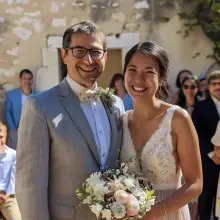
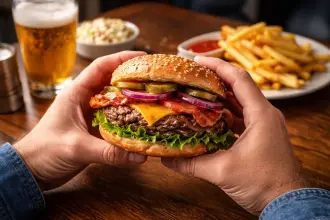
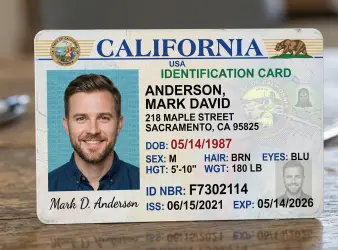
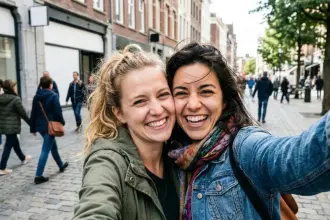

Detect AI-generated images
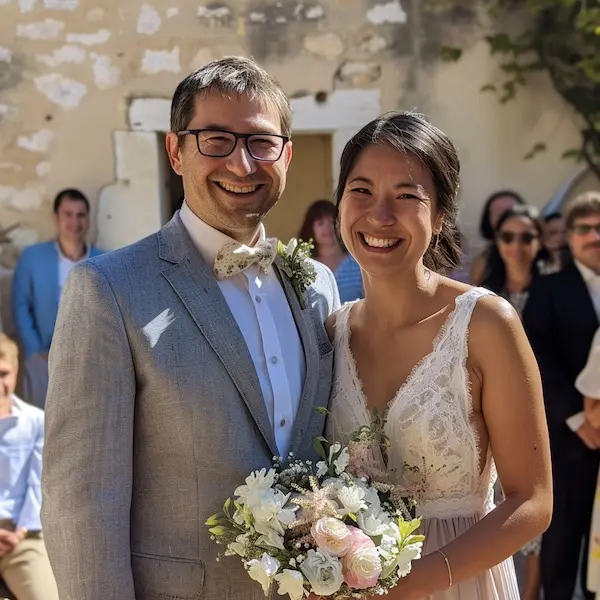
Likely AI-generated
Likely Deepfake
Not likely to be AI-generated or Deepfake
Uncertain if AI-generated or not
Uncertain if Deepfake or not

Detect manipulation, deepfakes, fraud, abuse, spam...
Mis- & Disinformation
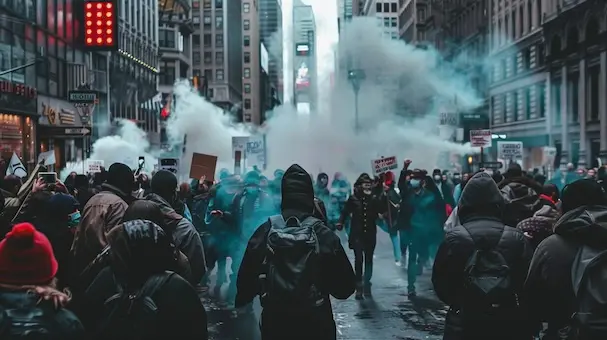
Spreading AI-generated mis-information and deepfakes in media.
Insurance claims
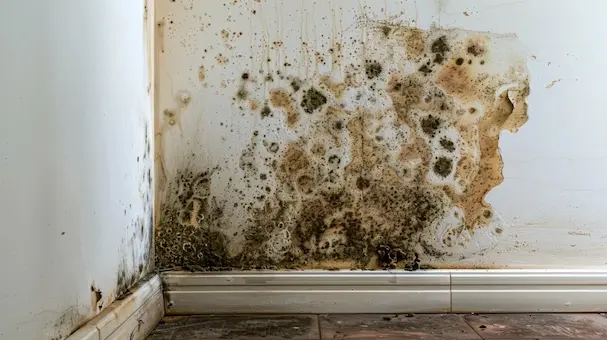
Creating fake insurance claims with faked images of incidents at home.
Fake profiles
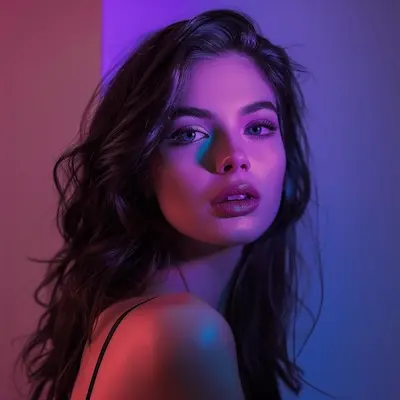
Scamming users with fake profiles on social networks.
Fake IDs
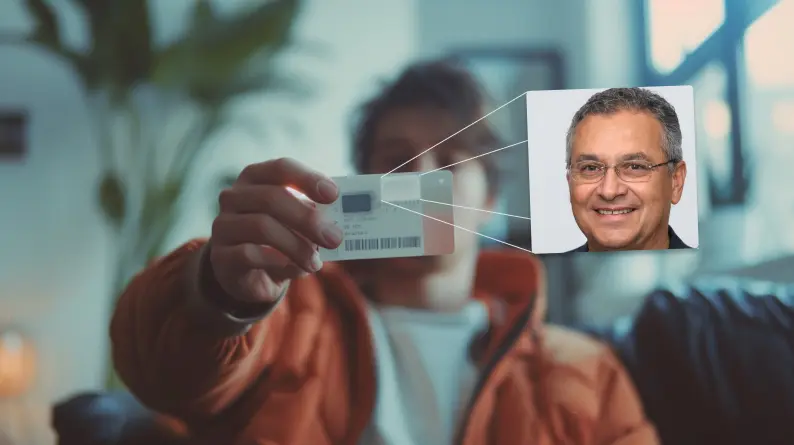
By-passing KYC/AML checks with fake or spoofed identity documents and selfies.
Marketplace spam
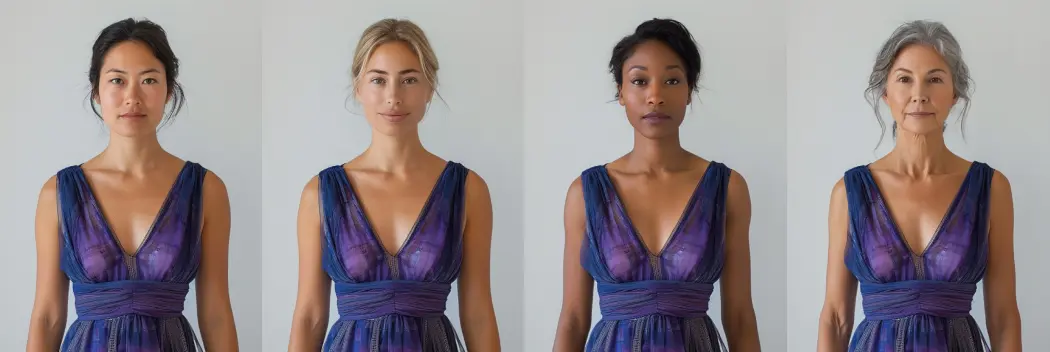
Spamming and flooding marketplaces with auto-generated variations of images.
Fake photo evidence
Generating fraudulent accident reports with AI-generated images.
Impersonation
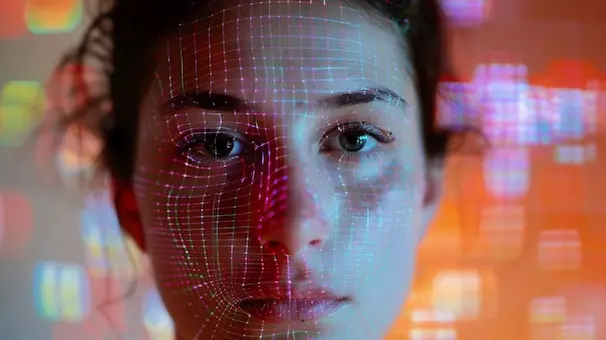
Misleading viewers by representing someone without their consent.
Nudification

Generating abusive images to harm users through impersonation or nudification.
Fake news

Spreading fake news to harm democratic processes.
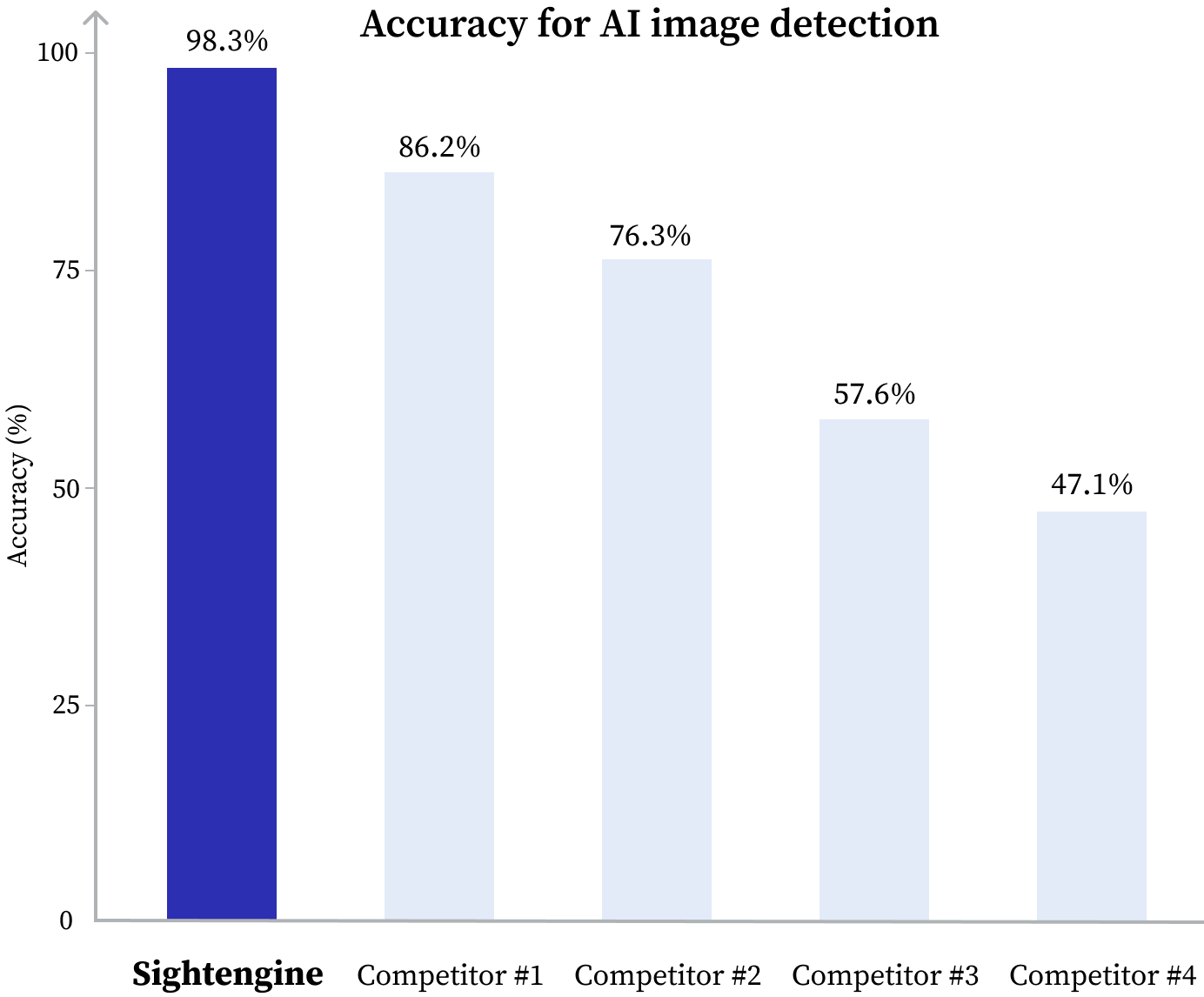
The leading solution according to this external benchmark.
The highest accuracy for AI-generated media detection
Source: Study by the University of Rochester and the University of Kansas
This external research study employed 80,000 images, encompassing both real images and images synthesized by various text-to-image generators. These images were new and thus unknown to the study participants.
The research paper is available here.
Works across image generators.
Our Automated AI-generated image detection tool can help you determine the provenance and authenticity of images.
We help identify images across the most popular image generators such as:
 GPT-2
GPT-2 Nano Banana, Imagen
 MidJourney
 Stable Diffusion
 Ideogram
 Flux
FluxImage generators
| Generator | Creator | Example versions detected |
| DALL-E | OpenAI | DALL-E 2, DALL-E 3, ... |
| Firefly | Adobe | Firefly 2, Firefly 3, ... |
| Flux | Black Forest Labs | Flux.1 Dev, Flux.1 Schnell, Flux Pro, ... |
| GPT image generation | OpenAI | GPT-4o, GPT-1.5 image... |
| Grok Imagine | xAI | Imagine, Imagine Pro... |
| Higgsfield | Higgsfield AI | Higgsfield Soul... |
| Ideogram | Ideogram | Ideogram 2.0, Ideogram 3.0, ... |
| Imagen | Imagen 2, Imagen 3, ... | |
| Kling | Kuaishou | Kling 2.0, Kling 3.0, ... |
| Midjourney | Midjourney | Midjourney v5, v6, v7, ... |
| Nano Banana | Nano Banana 2, Nano Banana Pro, ... | |
| Qwen | Alibaba | Qwen2-VL, ... |
| Recraft | Recraft | Recraft V3, ... |
| Reve | Reve | Reve Image 1.0, ... |
| Seedream | ByteDance | Seedream 2.0, Seedream 3.0, ... |
| Stable Diffusion | Stability AI | SD 1.5, SD 2.1, SDXL, SD3, ... |
| StyleGAN | NVIDIA | StyleGAN2, StyleGAN3, ... |
| Z-image | Alibaba | Z-image, Z-image Turbo, ... |
| Other generators | Various | Generators with a smaller audience |
And more, new generators are added continuously as they appear in the wild.
Video generators
| Generator | Creator | Example versions detected |
| Grok Imagine | xAI | Imagine, Imagine Pro... |
| Hailuo | MiniMax | Hailuo 02, Hailuo 2.3, ... |
| Happyhorse | Happyhorse | Happyhorse, ... |
| Higgsfield | Higgsfield AI | Higgsfield Soul, Cinema... |
| Hunyuan | Tencent | HunyuanVideo, ... |
| Kling | Kuaishou | Kling 1.5, Kling 2, Kling 3 ... |
| Longlive | NVIDIA | LongLive, ... |
| LTX | Lightricks | LTX Video, ... |
| Midjourney | Midjourney | Midjourney Video, ... |
| Pika | Pika | Pika 1.0, Pika 1.5, ... |
| Reve | Reve | Reve Video 1.0, ... |
| Runway | Runway | Gen-2, Gen-3, Gen-4... |
| Seedance | ByteDance | Seedance 1.5, Seedance 2.0, ... |
| Sora | OpenAI | Sora, Sora 2, ... |
| Veo | Veo 1, Veo 2, Veo 3, ... | |
| Vidu | Shengshu | Vidu 1.0, Vidu Q1, ... |
| Wan | Alibaba | Wan 2.5, Wan 2.6, Wan 2.7 ... |
| Other generators | Various | Demamba, HotShot, LaVie, Ray... |
And more, new generators are added continuously as they appear in the wild.
The detection is based on the pixel content of the image, not its meta-data. Results should not be altered if meta-data has been stripped or if no watermark is visible.
Watermarks and meta-data are not always integrated into AI-generated images. When users upload an image to popular apps or platforms, the meta-data is automatically stripped.
The OpenAI, MidJourney, Google, Gemini, Stable Diffusion, Flux, Ideogram, Grok trademarks and logos are the property of their respective trademark holders. They are not affiliated with Sightengine.
Accessible through a simple drag-and-drop interface...
Get instant access to a detailed analysis of your media. This is perfect for occasional use, and to easily create a summary you can screenshot and share.
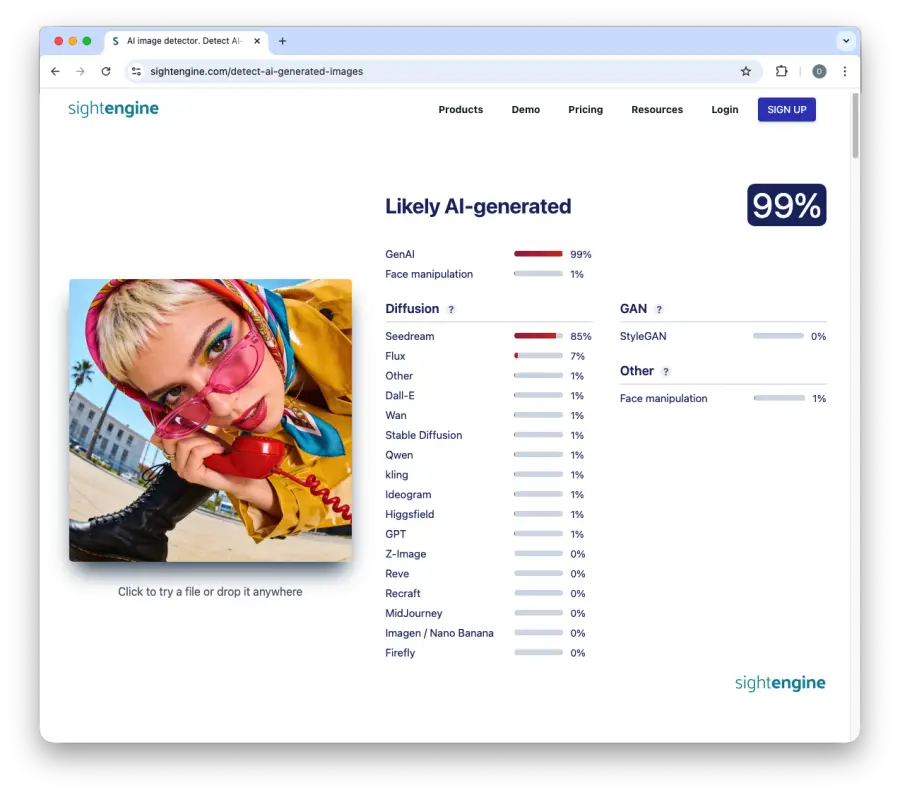
... and accessible through an API for large-scale use.
Our API was designed by developers for developers. We have worked hard to make it simple and quick to integrate with.
curl -X POST 'https://api.sightengine.com/1.0/check.json' \
     -d 'api_user={API_USER}' -d 'api_secret={API_SECRET}' \
     -d 'url=https://sightengine.com/assets/img/examples/example7.jpg' \
     -d 'models=genai'
Scale to the sky. Easily moderate your content as your business grows from a couple to billions of items per month.
Absolute privacy. No human reviewers in the loop. Your content stays private. Just the way your users expect it to be.
Super-human accuracy.
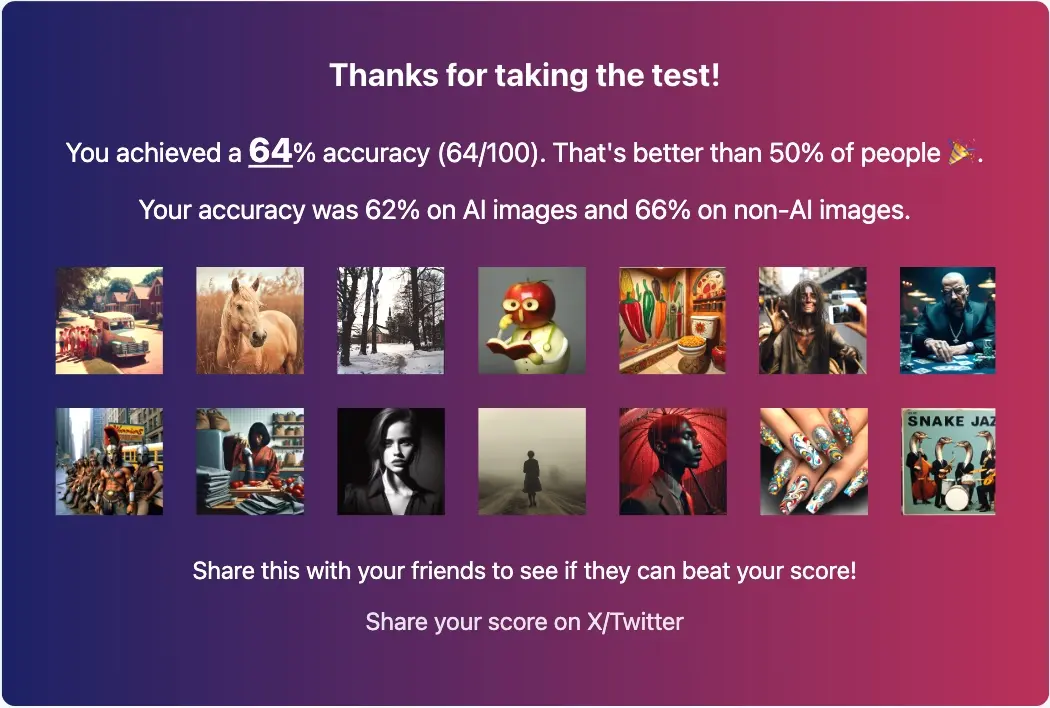
Our tests show that humans struggle with AI image detection, while models specifically trained to detect AI images typically outperform human performance.
Are you up for the challenge? Take our online test to see how well you compare!
Part of our Integrated Content Analysis Suite.
We offer a complete set of models and tools to analyze and moderate your visual media: Content Moderation, Content Analysis, Media retrieval.
Image Moderation
Moderate user-generated images and pictures. Detect any unwanted content such as adult content, hate, violence, children, and more. More on our Image Moderation API
JPEG PNG WebP GIF...
Video Moderation
Analyze static videos and live-streams in near realtime. Flag unwanted content such as violence, adult content, illegal imagery and media that violate your terms of use. More on our Video Moderation API
MP4 AVI MOV HLS RTSP...
Frequently Asked Questions
How can it be possible to find out if an image or video is AI-generated?
AI-generated media often contains subtle artifacts and inconsistencies that can be detected by specialized tools. These tools identify patterns reminiscent of synthetic images, helping distinguish them from real photos.
How accurate is the AI image detector?
In an independent benchmark by researchers at the University of Rochester and the University of Kansas using 80,000 images across multiple generators, our detector achieved the highest accuracy among the tools tested. Accuracy depends on the generator, image quality, and post-processing; no detector is 100% reliable, and results should be combined with human judgment.
Does it work without metadata or watermarks?
Yes. Detection works on the pixel content of the media itself. It does not rely on EXIF metadata, C2PA provenance tags, or visible watermarks, all of which are commonly stripped when images are uploaded to social networks, messaging apps, or marketplaces.
Which AI image generators can it detect?
The detector covers all major current generators including Nano Banana, GPT 2, Grok Imagine, Midjourney, DALL-E 3, Imagen 3 and 4, Stable Diffusion (SD 1.5, SDXL, SD3), Flux, Ideogram, Adobe Firefly, Bing Image Creator, and GAN-based face generators. The detector is updated continuously as new generators are released.
Can it detect deepfakes and face swaps?
Yes. Alongside AI image & video detection, we offer dedicated deepfake detection that identifies face swaps and AI-driven face manipulations. Both run on the same upload, so you receive a combined assessment.
Is this the same as a deepfake detector?
They overlap but are not identical. AI detection identifies any image/video generated or substantially edited by AI. Deepfake detection specifically identifies face swaps and facial manipulation, which is a narrower task. We provide both, and most users benefit from running them together.
How do you handle new AI image & video generators?
We monitor new generators continuously and add them to the detector typically within a few weeks of release. There is usually a short window after a model launches when detection accuracy on its outputs is lower than for established generators.
Can AI media detectors replace human judgment?
While the AI media detector provides real-time insights, it should never be used as a substitute for human judgment. Different detectors can have a varying levels of accuracy. It is essential to use your own discretion when reviewing their findings.
What are the limitations of AI media detectors?
AI media detectors can produce inaccurate results: false positives or false negatives. This detector may also struggle with content produced by AI media generators it has never encountered before, such as newly released ones. In some cases, images may also have been heavily edited in order to try to evade detection.
What does the provided score mean?
The score indicates the API's confidence in its prediction. A higher score suggests a greater likelihood that the content is AI-generated or AI-edited, while a lower score indicates the opposite. Even if the API returns a very high or very low score, such as 99% or 1%, it is important to consider the context and use human judgment in the final assessment.
How do you take into account new AI media generators?
We frequently test the API against new media generators as they enter the market, and take them into account to update the detectors to recognize them. Please note there usually is a brief window between the release of a new generator and its full integration into our system.